article
Space data moats are overstated
Owning imagery does not automatically create a durable advantage when customers struggle to turn it into an operational decision.
Emil Shirokikh · Published September 10, 2026 · Updated September 23, 2026 · 2 min read
Abstract
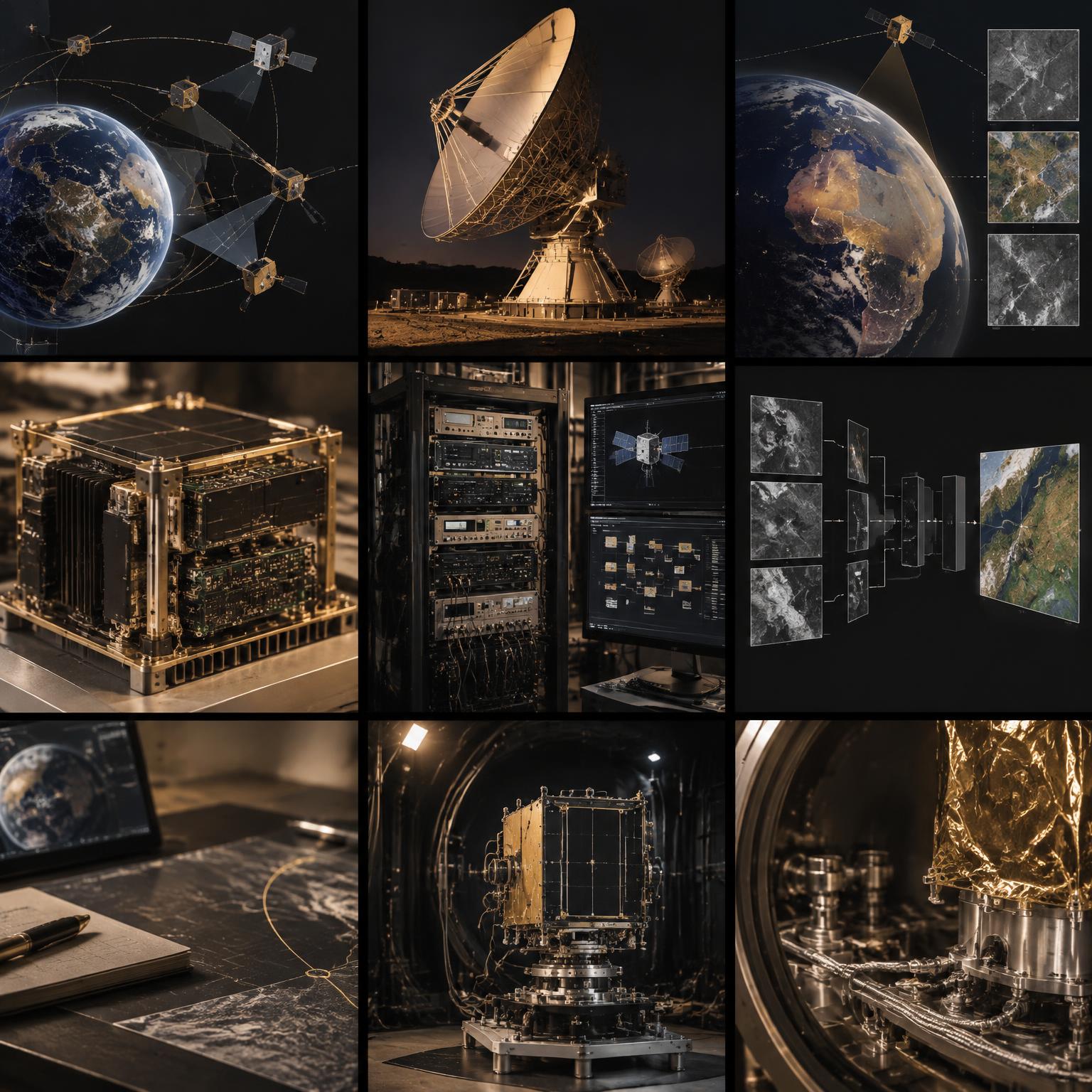
Differentiation increasingly sits in latency, reliability, derived products and workflow integration. Raw collection matters, but inaccessible or late data has weak economic force.
Measure decision latency
Exclusive collection may matter, but durable value depends on reliable delivery, useful derived products and integration into the customer’s operating decision.
Customer test
Interview the person who acts on the data. Map acquisition-to-action time, uncertainty, handoffs and failure handling; price the delivered decision rather than raw volume.
Evidence to retain
Track repeat use and time-to-decision separately from terabytes collected.
Challenge the conclusion
Unique sensors and access can matter enormously. The moat is strongest when paired with a usable delivery system.
Use this in a working session
Follow one data product from request to action and mark every wait, transformation and manual interpretation.
BELTO editorial analysis. It does not describe a client engagement or claim a commercial result.
References
2 sourcesAuthor
Emil ShirokikhFounder
Founder of Belto Inc. Writes on engineering, venture building and applied intelligence.
Related
Read next
Satellite autonomy needs boring failure modes
Autonomy in orbit is valuable precisely where communication is limited, but novelty is least useful during a fault.
Downlink is a product decision
A mission that collects more than it can move has not solved sensing; it has moved product selection into orbit.
The ground segment is the mission
Space programmes celebrate hardware while ground software quietly determines whether operators can command, understand and recover it.