article
The ground segment is the mission
Space programmes celebrate hardware while ground software quietly determines whether operators can command, understand and recover it.
Emil Shirokikh · Published September 13, 2026 · Updated September 23, 2026 · 2 min read
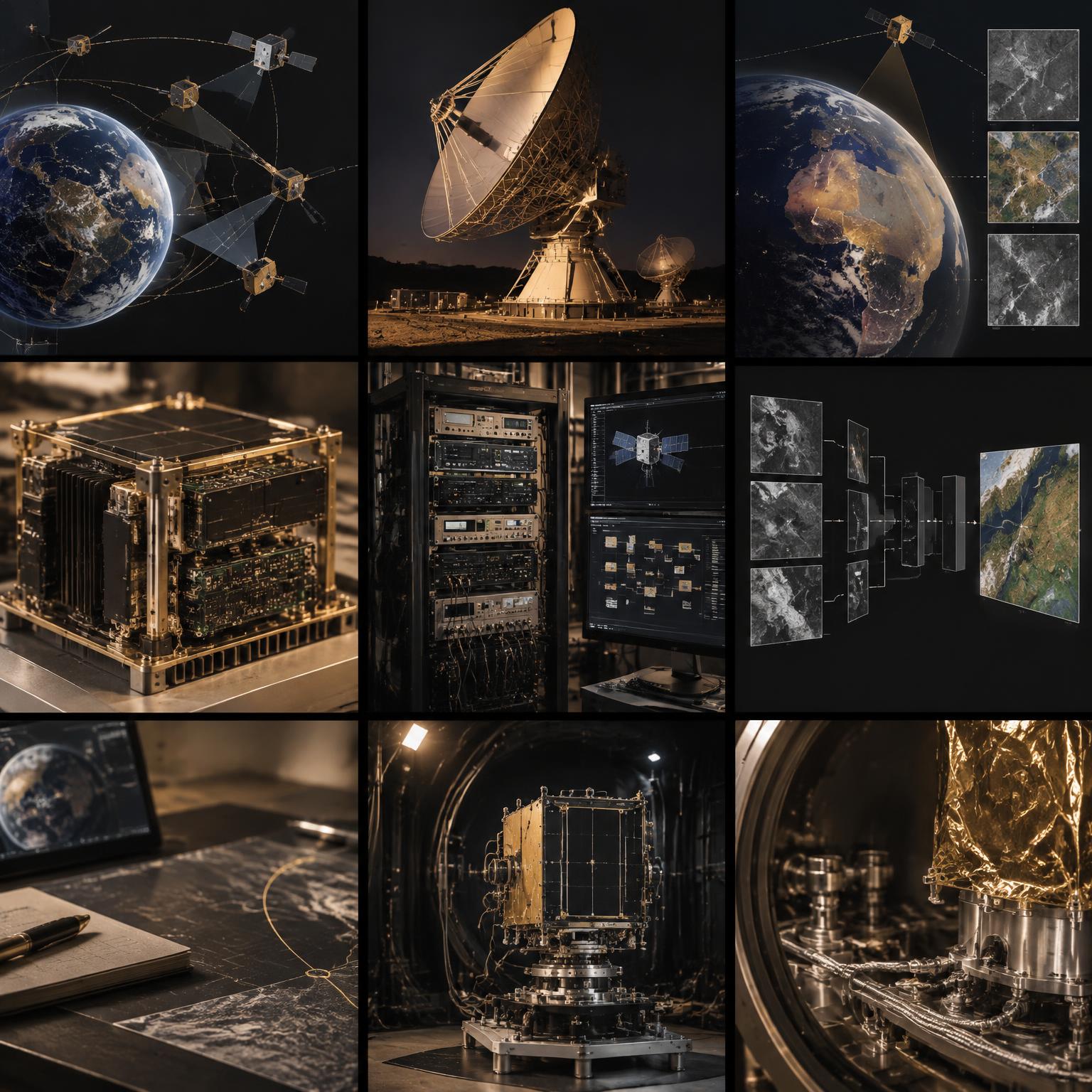
Abstract
Mission value emerges through planning, telemetry, data processing and distribution. Treating ground systems as integration work left for late stages creates avoidable operational fragility.
Operate end to end
Planning, command, telemetry, processing and distribution determine whether flight hardware can deliver a service. Late ground integration hides mission risk.
Mission rehearsal
Run a complete day-in-the-life scenario before hardware delivery: plan, command, anomaly, re-plan, receive, process and deliver. Version every interface encountered.
Evidence to retain
Keep an operator runbook and an interface contract as mission artefacts.
Challenge the conclusion
Flight hardware deserves intense focus. The argument is equal rigor across the complete service, not less rigor in orbit.
Use this in a working session
Time each handoff and force one unavailable service. Record where operators improvise and convert that knowledge into tested procedure.
BELTO editorial analysis. It does not describe a client engagement or claim a commercial result.
References
2 sourcesAuthor
Emil ShirokikhFounder
Founder of Belto Inc. Writes on engineering, venture building and applied intelligence.
Related
Read next
Satellite autonomy needs boring failure modes
Autonomy in orbit is valuable precisely where communication is limited, but novelty is least useful during a fault.
Downlink is a product decision
A mission that collects more than it can move has not solved sensing; it has moved product selection into orbit.
Edge inference after the demo
Running a model once on target hardware is not evidence that it belongs in a mission.